By: Riley 8 months ago
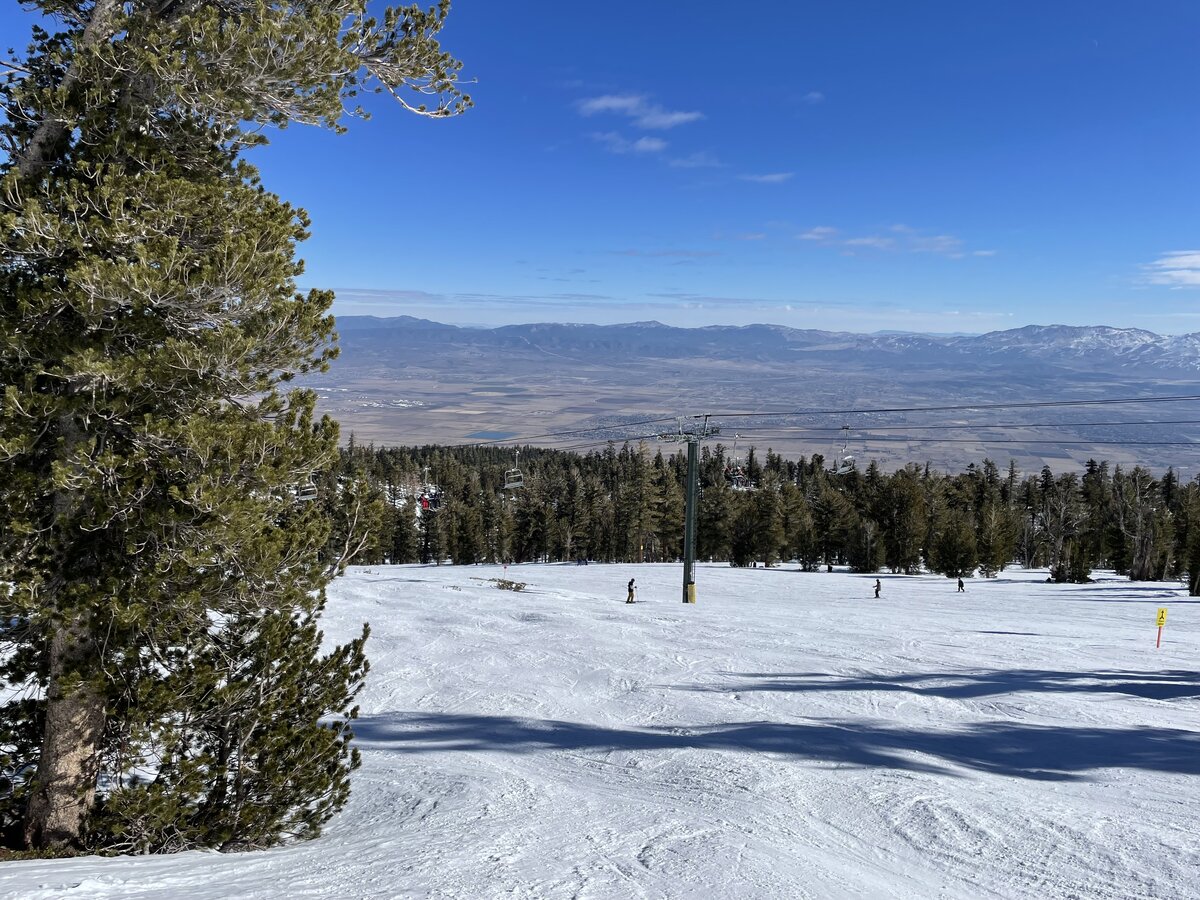
Lake Tahoe faces dramatic climate-driven changes to both its snow season and water clarity. Winter snowfall now arrives later and melts earlier, compressing what was once a reliable five-to-six-month season. Average snowpack has declined significantly since the 1950s, with warming temperatures causing more precipitation to fall as rain rather than snow—particularly at elevations where ski resorts operate. Spring snowmelt occurs two to three weeks earlier than decades ago, threatening winter tourism and summer water supply.
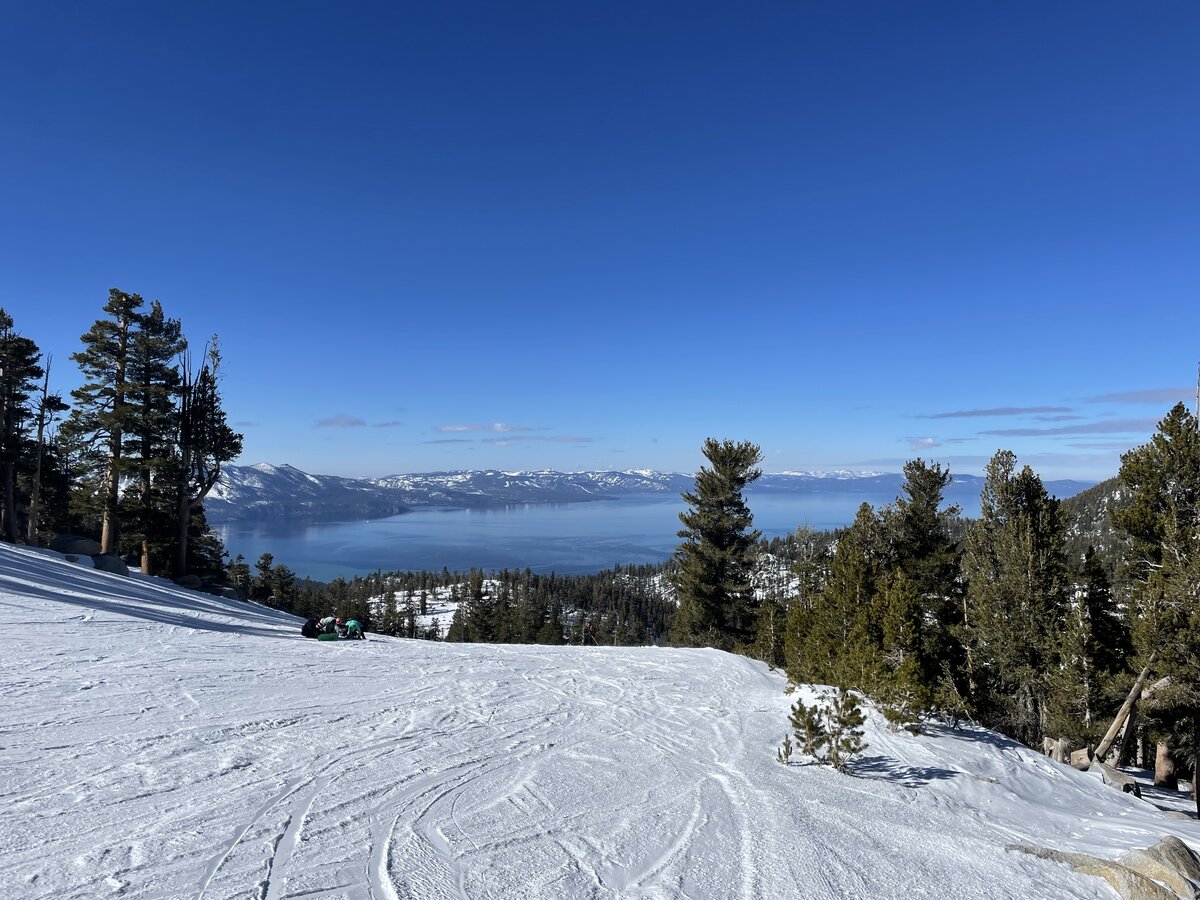
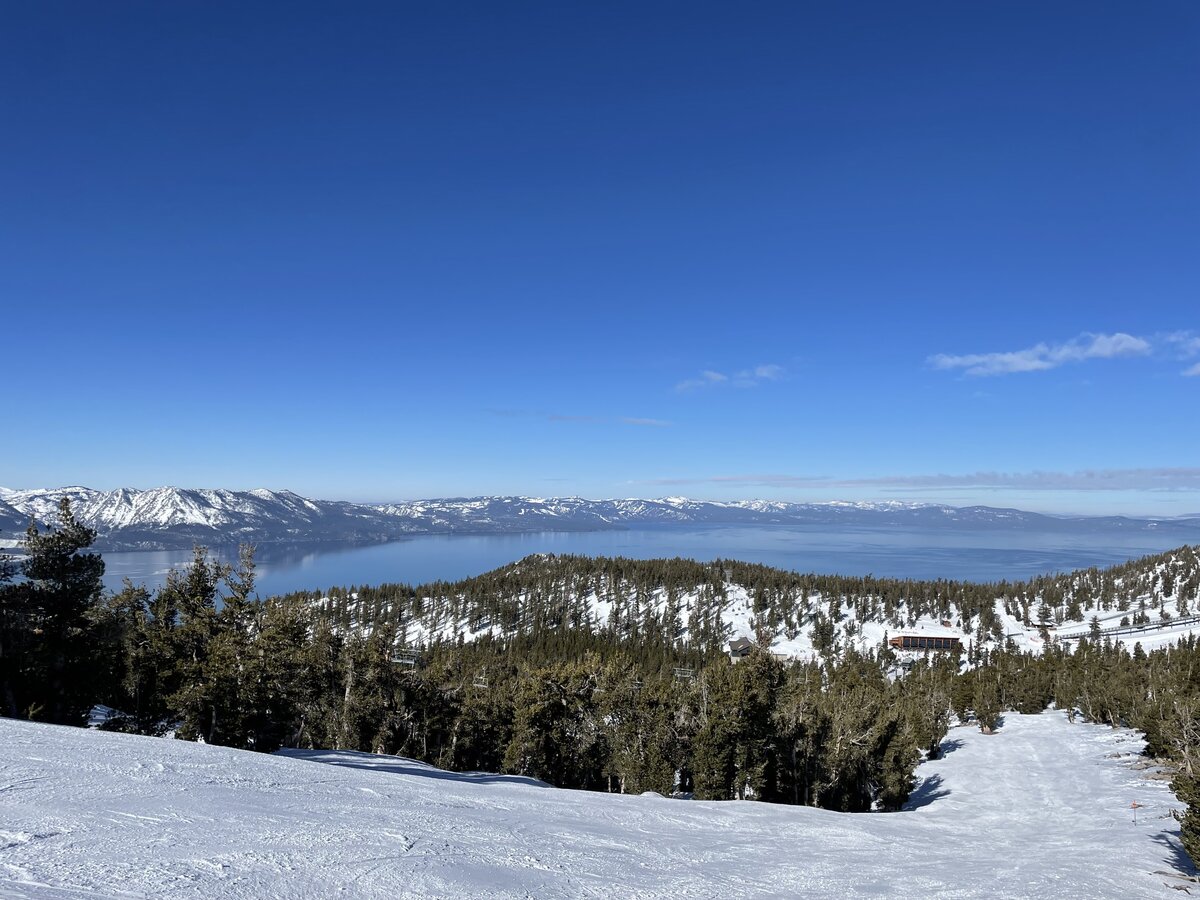
The lake’s famous clarity has declined from over 100 feet of visibility to around 70 feet. Warmer water fuels algae growth and intensifies stratification, reducing natural mixing. The impacts compound: shorter snow seasons mean less snowpack to filter slowly through soil, while intense storms generate greater runoff. Together, these changes threaten both Tahoe’s recreation economy and its irreplaceable alpine ecosystem.
 Sign-In